Camera angle is one of the fastest ways to change the mood of an AI image. The same character can feel intimate, powerful, fragile, cinematic or commercial depending on where the camera is placed.
Use these prompts as building blocks. Combine the angle with subject details, lighting, wardrobe, lens style and the final use case.
Macro
Macro works for tiny facial details, beauty shots, cosmetics, jewelry and emotional close studies.
Prompt:
Ultra-detailed macro portrait of a beautiful young woman, extreme close-up on the eyes, lips and skin texture, natural makeup, individual eyelashes visible, detailed skin pores, soft cinematic lighting, shallow depth of field, luxury beauty campaign, photorealistic, fashion magazine quality, ultra realistic, 8k
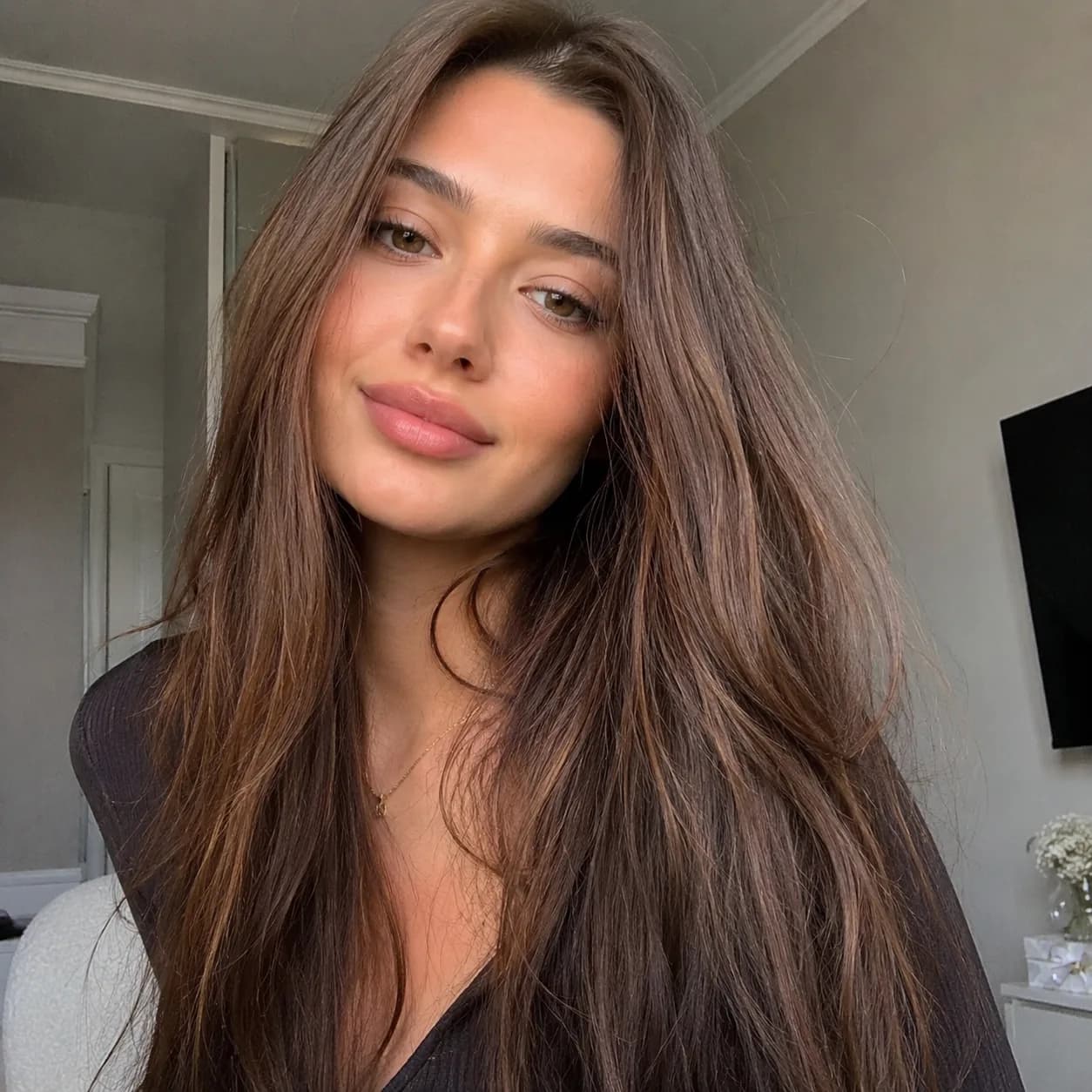
Close-up
Close-up keeps the face dominant while preserving natural proportions. It is a reliable choice for portraits, profile images and beauty editorials.
Prompt:
Close-up portrait of an elegant young woman with long silky hair, natural beauty makeup, face occupying most of the frame, soft lighting, expressive eyes, realistic skin texture, shallow depth of field, luxury editorial photography, high-end fashion campaign, photorealistic, 8k
Wide Angle
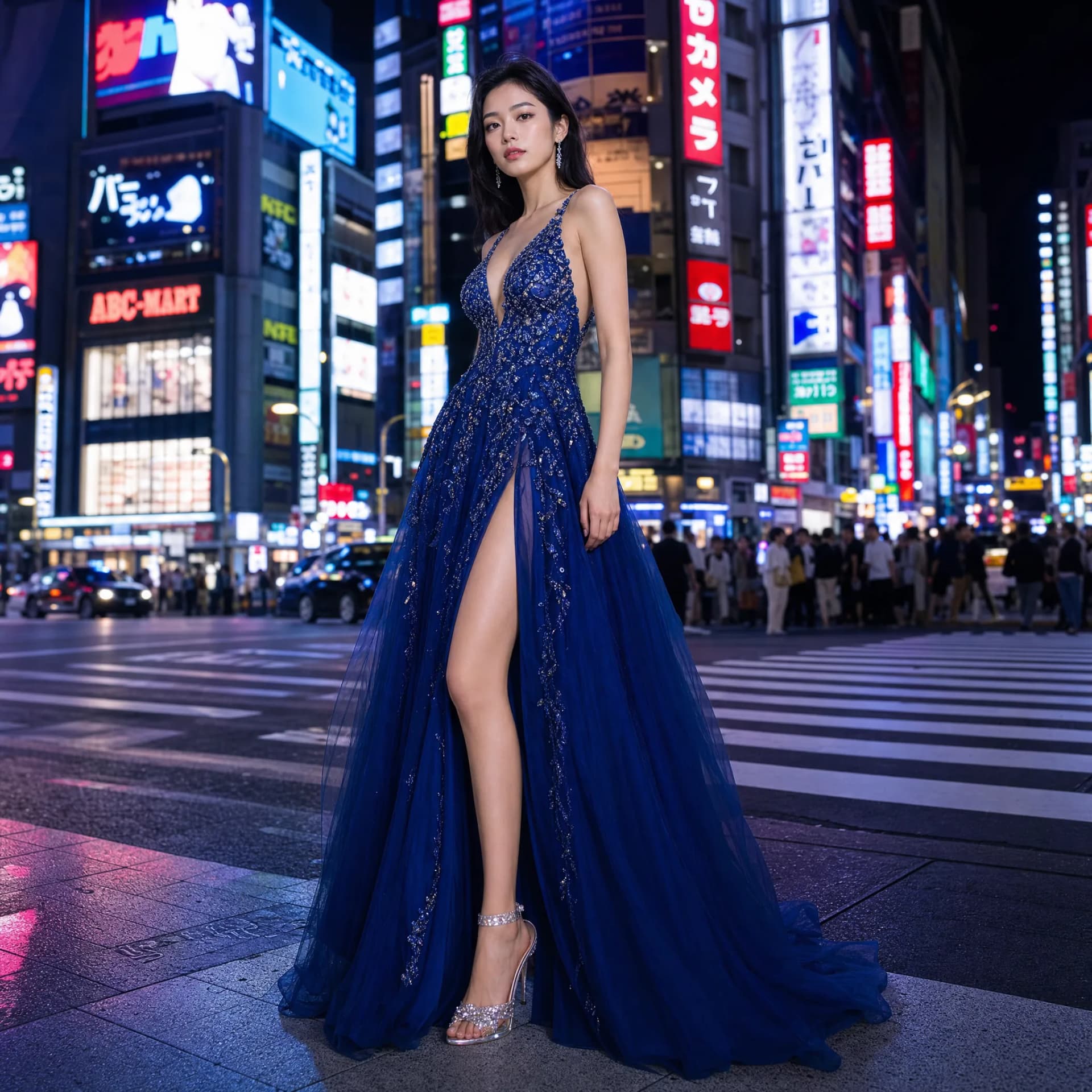
Wide angle shows the person and the environment together. Use it for travel, campaign scenes, city shots and cinematic worldbuilding.
Prompt:
Wide-angle photograph of a beautiful young woman standing on a city rooftop at sunset, full body visible, dramatic perspective, large amount of surrounding environment, expansive sky, cinematic composition, fashion editorial style, ultra realistic photography, 24mm lens, 8k
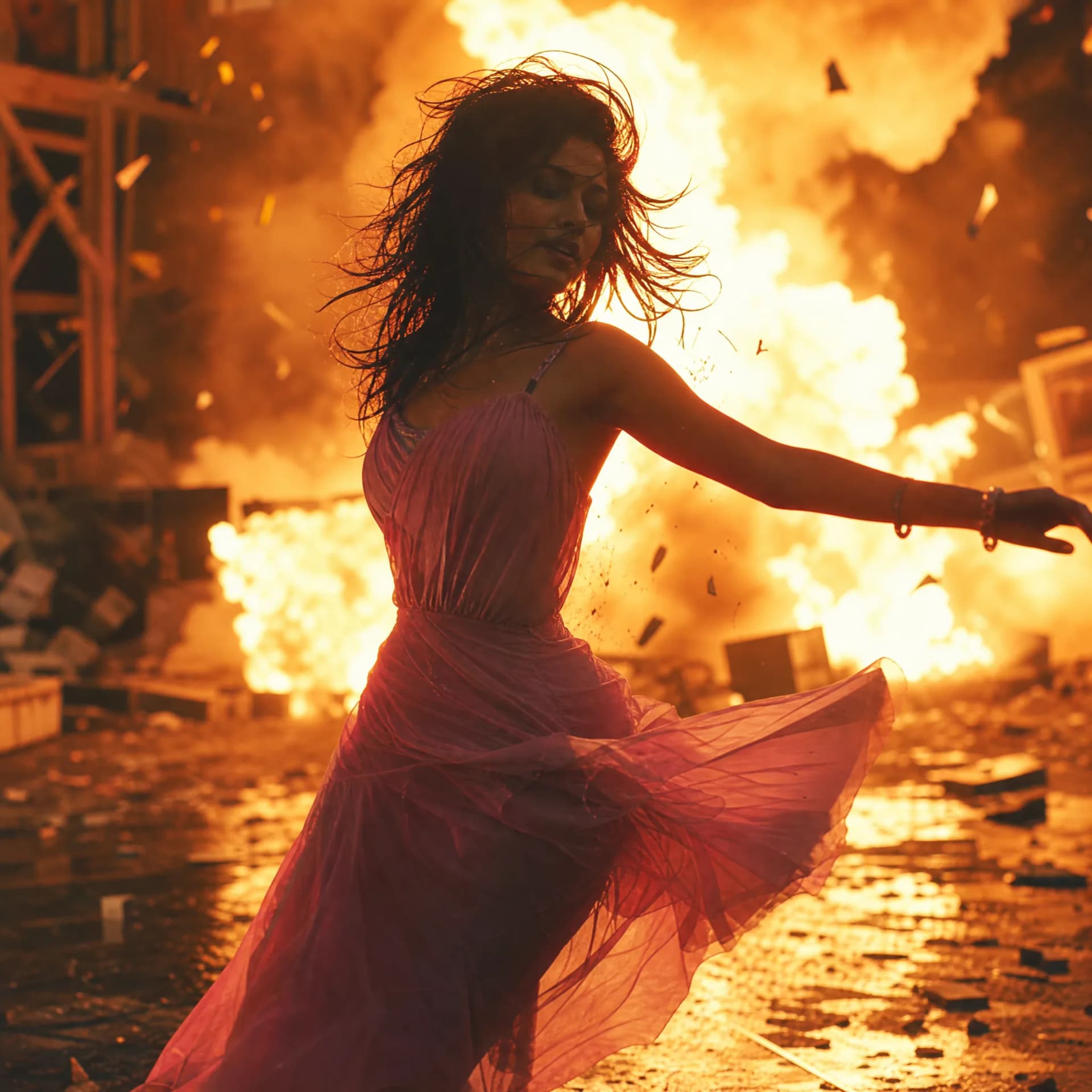
Diagonal Angle
Diagonal composition adds tension and motion. It is useful for advertising, music visuals and fashion frames that need extra energy.
Aerial
Aerial shots show scale and composition from above. They are useful for beaches, architecture, group layouts and dramatic isolation.
High Angle
A high angle can make the subject feel lighter, thoughtful or vulnerable. It works well for romantic, delicate and editorial portraits.
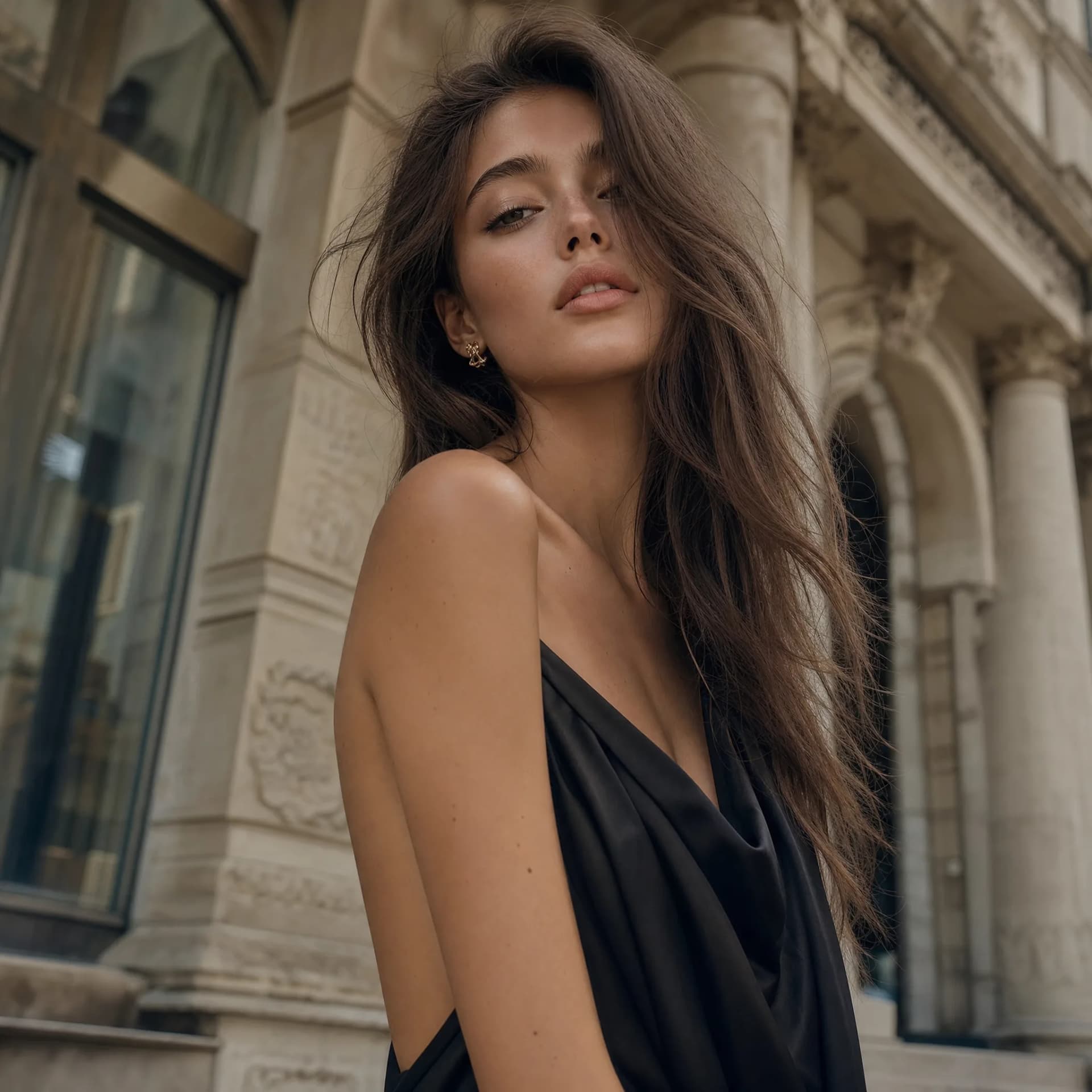
Low Angle
A low angle makes the subject feel stronger and more dominant. Use it for hero shots, premium fashion and confident campaign visuals.
Oblique Angle
Oblique or Dutch angle intentionally tilts the horizon. It creates motion, tension and a cinematic feeling.
Summary
Camera angle is a simple but powerful prompt control. Try changing only the angle while keeping the same subject and style; the result will often feel like a completely different image.